
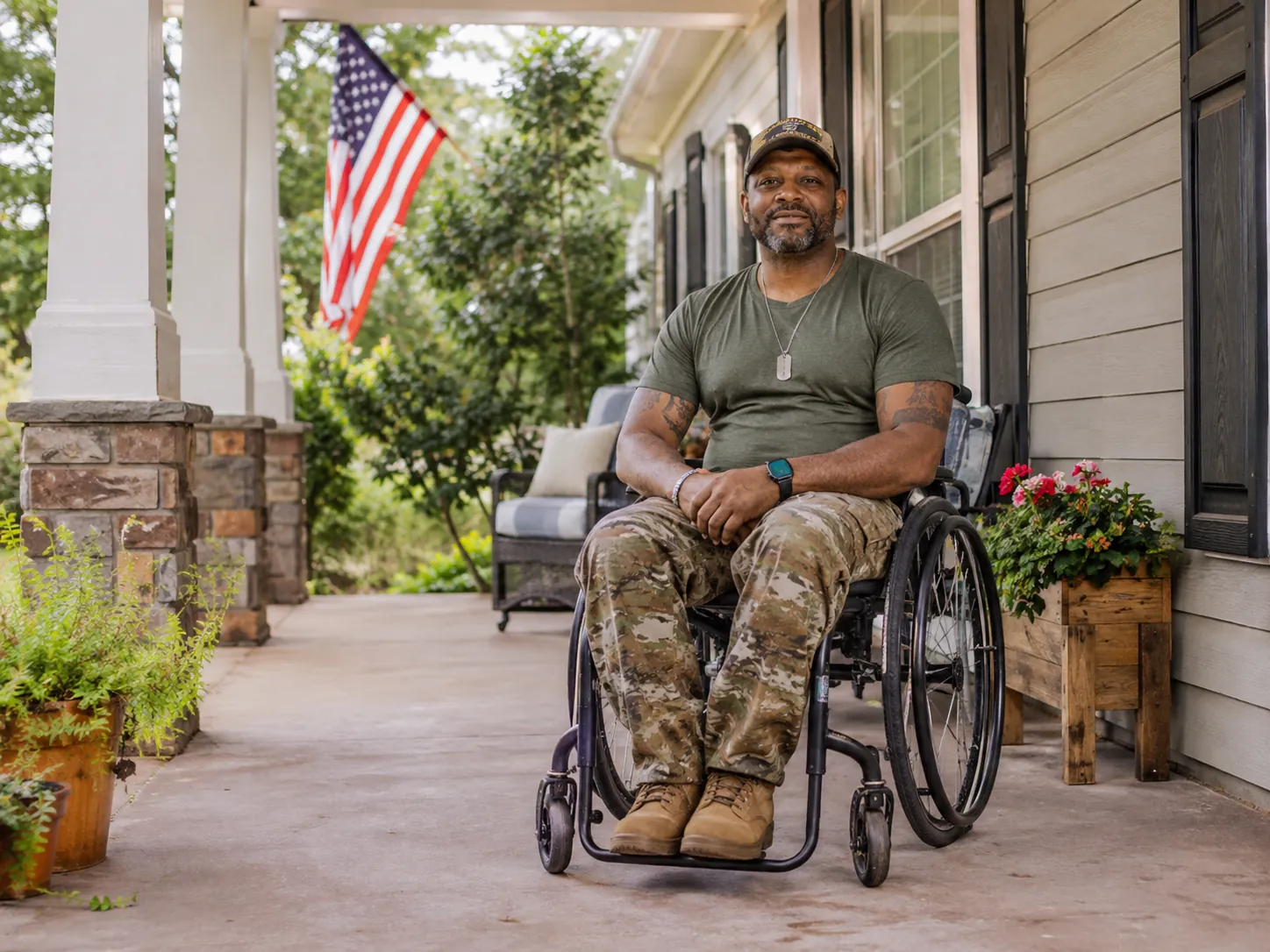
Helping veterans secure housing and rebuild stability.
No veteran should have to face homelessness without a pathway to support. Housing instability may follow the loss of employment, rising living expenses, family disruption, disability, or difficulty accessing essential resources. For veterans and their families, these challenges can create barriers to safety, health, and financial security.
Moody’s Foundation brings housing assistance and supportive services together to address immediate needs while building a stronger foundation for the future. Our veteran-focused programs encompass emergency shelter connections, transitional housing, prevention and rapid rehousing, permanent supportive housing, and services that strengthen housing retention, income, and community reintegration.
Each veteran's circumstances guide the response, with attention to immediate safety, eligibility, available housing resources, and the support needed to maintain stability.
Responding to homelessness with safety and immediate support.
Veterans experiencing homelessness may face unsafe conditions, exposure to extreme weather, food insecurity, and significant barriers to obtaining permanent housing. Emergency shelter programs provide an important point of entry for addressing urgent safety and basic-needs concerns.
Moody’s Foundation’s emergency housing framework emphasizes access to appropriate shelter resources, outreach and referral connections, essential services, and an individualized plan for moving beyond crisis. Immediate support can include food and basic-needs assistance, help securing vital documents, benefits navigation, and connections to community resources that support the next step toward stable housing.
An unsheltered veteran may require immediate safe accommodation and access to food, hygiene, documents or benefits information. Family composition, disability-related accessibility and urgent safety needs should shape the resource search.
A supportive bridge from homelessness to permanent housing.
Transitional housing offers veterans an opportunity to establish stability while preparing for a more permanent living arrangement. It combines time-limited housing with supportive services that address the challenges affecting housing readiness, income, daily living, and successful reintegration into the community.
Program supports may include individualized stability planning, employment and training resources, financial literacy, benefits assistance, life-skills development, and connections to appropriate health and community services. The objective is to help veterans build greater independence, strengthen income and practical capabilities, and move toward a sustainable housing solution.
Veteran transitional housing priorities are distinct from those of other groups: military-to-civilian reintegration, benefits navigation, employment readiness and stable family or community connections may all inform the path toward permanent housing.
Preventing housing loss and shortening the experience of homelessness.
Homelessness prevention services address the circumstances that put veterans and military families at risk of losing their homes. Early support focuses on identifying housing barriers, stabilizing immediate needs, and connecting households with eligible resources before a housing crisis becomes prolonged.
Rapid rehousing helps veterans experiencing homelessness navigate the practical steps toward permanent housing. This may involve housing search assistance, landlord engagement, eligible financial assistance, move-in planning, and supportive services that address income, employment, benefits, and household stability.
Our approach prioritizes timely access to appropriate housing and sustained connections to resources that help reduce the risk of returning to homelessness.
Veteran households facing eviction or homelessness may need different resources from those who are already unsheltered. Early housing stabilization, housing searches, income resources and benefits guidance can each be relevant.
Long-term housing with the support needed to remain stable.
Permanent supportive housing combines long-term housing opportunities with ongoing supportive services for veterans whose circumstances may make housing difficult to obtain or sustain. This model is particularly important for individuals experiencing chronic homelessness or facing significant barriers related to disability, health, or other complex needs.
Support may involve housing retention planning, benefits and income assistance, independent-living resources, coordinated healthcare connections, and individualized case management. The focus is not simply entering housing, but maintaining a stable home and improving quality of life over time.
For eligible veterans with ongoing support needs, permanent supportive housing may combine a stable home with access to appropriate health, disability and community resources. Eligibility and placement depend on the specific housing program.
Addressing the everyday needs that make housing stability possible.
Securing housing is one part of rebuilding stability. Veterans may also need help obtaining identification and other vital documents, accessing VA or public benefits, developing financial skills, pursuing employment, arranging transportation, and connecting with appropriate healthcare or community resources.
Our veteran supportive-services framework includes financial literacy, disability and benefits navigation, employment readiness, basic-needs resources, community outreach, and practical assistance with successful transitions into independent living. Services are organized around the veteran’s priorities and the barriers affecting long-term stability.
For veterans returning to the community after incarceration, support also recognizes the importance of reentry planning, housing access, documentation, employment opportunities, and reconnection with supportive community relationships.
Veteran supportive resources include benefits and documentation guidance, financial literacy, transportation, daily-living needs, employment readiness and family connections. The right mix is determined by each veteran’s circumstances.
Supporting the household alongside the veteran.
Housing instability can affect spouses, children, caregivers, and the wider family. Military transition, financial pressure, health challenges, and changes in household circumstances may create overlapping needs that are best addressed together.
Moody’s Foundation includes family-centered planning, essential resources, financial education, community connections, and appropriate supportive services in its approach to veteran household stability. Stronger family connections and practical access to resources help support long-term housing success.
Military families may face school transitions, caregiving responsibilities, changing income or household disruption. Supporting housing stability means considering spouses, children and other dependents alongside the veteran.
From housing crisis to lasting stability.
Moody’s Foundation combines housing-centered assistance with individualized supportive services and community partnerships. Specific housing placements and financial assistance depend on program requirements, eligibility, and available resources.
Connect with support. Help create change.
Looking for assistance, helping someone else, or interested in supporting this work? Choose the pathway that fits.