
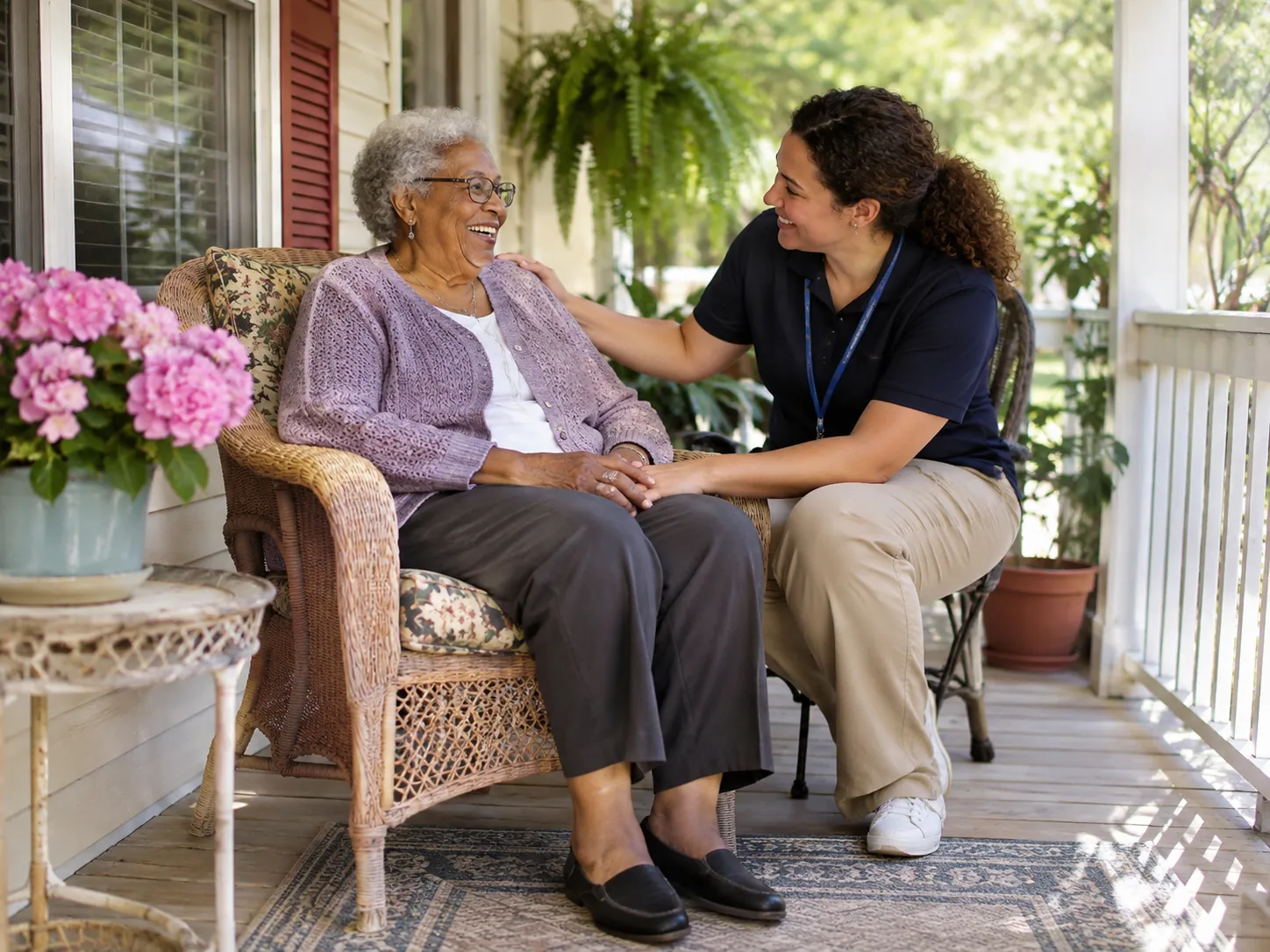
Supporting dignity, independence, and well-being.
Growing older should not mean losing the freedom to make choices about where to live or how to receive support. Moody’s Foundation brings care and living options into a person-centered approach that respects individual goals, changing health needs, family circumstances, and the importance of staying connected to the community.
Our older adult service priorities include affordable housing, aging in place, nutrition and social connection, caregiver support, dementia and memory-care resources, and assistance understanding residential and long-term care options. The goal is to make available choices easier to understand while honoring personal preferences and family circumstances.
A place to call home, with the support to thrive.
Affordable senior living helps older adults maintain independence, security, and meaningful connections as their needs change. Moody’s Foundation supports access to housing options that recognize the realities of fixed incomes, mobility needs, accessibility, and long-term affordability.
Service-enriched living connects residents with resources that support daily life, including transportation, meals, social engagement, benefits information, and assistance navigating community services. Stable housing is an important part of healthy aging, and each older adult deserves a living environment that supports dignity and choice.
Housing decisions may depend on a fixed income, transportation to appointments, accessibility, community ties and whether future care can be accommodated. Comparing these needs helps families distinguish affordable independent living from settings with additional assistance.
More choices for where and how older adults live.
Aging in place means having the support needed to remain safely in a familiar home or community for as long as it is appropriate and desired. Our older adult services address everyday needs, changing health circumstances, home safety, caregiver involvement, and access to dependable community support.
Families can compare options such as companionship, personal assistance, caregiver respite, accessible housing, and home modifications. Questions about daily routines, mobility, transportation, and home safety can help determine which resources are most relevant while preserving the older adult’s preferences and independence.
Healthy meals. Meaningful relationships. Stronger communities.
Senior center and community meal programs offer older adults more than a nutritious meal. They create opportunities for friendship, recreation, learning, health education, and continued participation in community life.
Our supportive service framework includes community dining resources, home-delivered meal pathways, nutrition assistance, transportation connections, and social engagement opportunities. These resources can reduce isolation, strengthen well-being, and support older adults who wish to remain active and independent.
For an older adult with limited mobility or few social connections, a meal program can provide regular nutrition and a reason to connect with others. Options may include home-delivered meal resources, community dining and transportation support rather than general emergency food distribution.
Personalized support with room for independence.
Assisted living provides a residential option for older adults who value independent routines but need help with personal care, medication management, mobility, or other daily activities. Residents can benefit from supportive environments, opportunities for social connection, and services tailored to individual preferences and needs.
Moody’s Foundation includes assisted living among the care and living options considered in older adult support planning. Families can compare levels of care, accessibility, affordability, and the services offered by appropriately licensed residential providers.
Families may compare assistance with bathing, dressing, meals, medication support and transportation alongside cost, personal routines and resident rights. Assisted living is a specific residential care option, not the same as independent senior housing.
Specialized care that respects the person and supports the family.
Older adults living with Alzheimer’s disease and other forms of dementia may experience changes in memory, communication, judgment, and everyday functioning. Support must account for safety and familiar routines while preserving dignity, comfort, and personal identity.
Families exploring dementia or memory support may need help understanding care options, daily safety, familiar routines, caregiver respite, and the difference between home-based assistance and specialized residential care. Moody’s Foundation highlights resources that support informed choices and connections to appropriately qualified memory-care professionals.
Supporting emotional and psychological well-being in later life.
Mental health remains important throughout aging. Depression, anxiety, grief, social isolation, cognitive changes, and more complex psychiatric conditions can affect older adults and their quality of life. Behavioral health support considers emotional needs alongside physical health, personal history, and family circumstances.
The service continuum includes access to counseling, psychiatric assessment, crisis support, and appropriate outpatient or inpatient treatment through qualified healthcare professionals. Our older adult programs recognize the value of coordinated follow-up and a supportive living environment during recovery.
Grief, depression, anxiety, isolation and cognitive changes can require different forms of support. Families should consider both emotional well-being and access to qualified behavioral health professionals, particularly when care needs change.
Supporting recovery after illness, injury, or hospitalization.
Recovery after surgery, injury, or a hospital stay may require temporary assistance and targeted rehabilitation. Short-term rehabilitation programs support strength, mobility, functioning, and confidence through individualized therapy and care plans.
Our older adult care framework addresses transitions from hospital to home, rehabilitation resources, personal assistance during recovery, transportation, and family support. Physical, occupational, and other clinical therapies are delivered by appropriately credentialed healthcare professionals.
After hospitalization, practical questions may include safe mobility at home, transportation to therapy, temporary help with meals or daily routines, and caregiver availability. These transition needs differ from long-term residential or skilled nursing care.
Care and assistance in the comfort of home.
Home-based support helps older adults continue daily routines while receiving assistance suited to their abilities and changing circumstances. Services may include companionship, homemaking, meal preparation, personal care, mobility assistance, caregiver respite, and support following a hospital stay.
Families assessing home-care options can consider the older adult’s routines, mobility, home safety, caregiver availability, and the type of help needed. Skilled nursing, therapy, and other regulated clinical services require appropriately licensed professionals and providers.
Freedom, community, and an active lifestyle.
Independent living communities provide housing for older adults who wish to manage their own everyday routines while enjoying convenient amenities, community connections, and reduced home-maintenance responsibilities. Residents may participate in social activities, educational programs, recreation, and other opportunities that support an engaged lifestyle.
Moody’s Foundation recognizes independent living as one of several important housing and lifestyle choices, with consideration for affordability, accessibility, personal preferences, and the potential need for additional support over time.
Independent living is most relevant to older adults who can generally manage daily routines but want an accessible home, community amenities and opportunities for connection. Affordability and proximity to family or transportation remain central considerations.
Consistent support for complex and ongoing care needs.
Some older adults require extended assistance with daily living, supervision, or ongoing skilled nursing because of illness, disability, significant functional changes, or complex medical conditions. Long-term care settings provide varying levels of residential and healthcare support based on individual assessment.
Care planning may involve nursing support, rehabilitation, personal assistance, activities that enrich daily life, and communication with families. Licensed long-term care facilities and clinical teams are responsible for regulated healthcare and residential treatment services.
When someone needs ongoing supervision or skilled nursing, families may compare licensed settings based on care intensity, accessibility, communication, cost and personal preferences. These decisions are distinct from short-term rehabilitation or companion care.
Coordinating medical, social, and everyday support.
The Program of All-Inclusive Care for the Elderly (PACE) is a comprehensive care model for eligible older adults who need a nursing-home level of care but can live safely in the community with appropriate services. PACE programs combine medical care, preventive services, rehabilitation, transportation, and other supports through an integrated team.
Moody’s Foundation includes PACE awareness and eligibility navigation within its broader older adult resource framework. Enrollment and services are administered by authorized PACE organizations under applicable program requirements.
PACE is an option for eligible older adults whose medical and daily-living needs call for coordinated services. Families can explore local eligibility, service areas and enrollment through authorized PACE organizations; it is not a general senior meal or housing program.
Care that honors independence and individual choice.
Moody’s Foundation connects older adults and families with information, supportive services, and care options responsive to changing needs. Regulated clinical and residential services are provided by appropriately qualified and licensed organizations.
Connect with support. Help create change.
Looking for assistance, helping someone else, or interested in supporting this work? Choose the pathway that fits.