
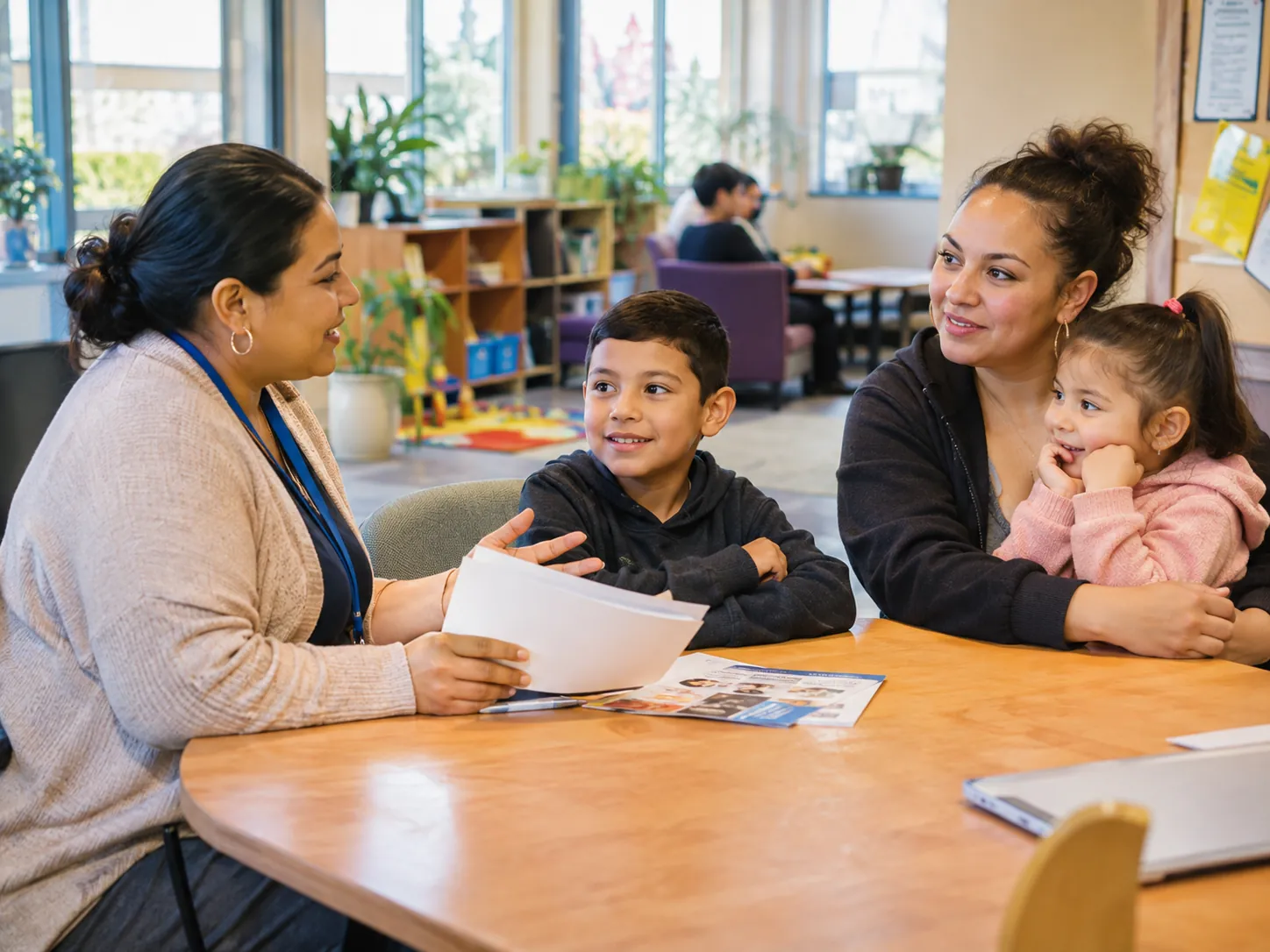
Encouraging positive development at every stage of life.
Every child deserves a safe environment, access to learning, supportive relationships, and the opportunity to reach their full potential. Moody’s Foundation brings family-centered programs, educational support, youth development, and essential resources together to strengthen the well-being of children and families.
Our programs address prevention, early intervention, family crisis, and longer-term needs, helping children develop socially, emotionally, and academically while preparing young people for independence, career opportunities, and meaningful participation in their communities.
Encouraging healthy development, confidence, and opportunity.
Moody’s Foundation’s children and youth programming supports social, emotional, and academic development from early childhood through young adulthood. Early learning, literacy, school enrichment, mentoring, and leadership activities help children strengthen the skills and relationships that contribute to positive development.
For school-age children, enrichment opportunities can include academic assistance, after-school and summer learning, mentoring, and positive recreation. For adolescents and young adults, our focus expands to leadership, decision-making, work readiness, and preparation for life after high school.
Our approach recognizes that positive youth development is closely connected to family engagement, supportive adults, and access to opportunities within the community.
Youth development can include mentoring, recreation, leadership and early career exploration. For young people facing housing disruption, maintaining safe relationships and consistent educational opportunities may be especially important.
Providing support before challenges become crises.
Children and families benefit when developmental, learning, emotional, or behavioral concerns are recognized early. Our early intervention programs emphasize timely support, caregiver education, family engagement, and access to resources that address emerging needs before they escalate.
Early intervention may include developmental-resource navigation, school collaboration, parenting support, mentoring, and connections to qualified community services. By strengthening family routines, relationships, and protective factors, we help create conditions in which children can grow and thrive.
Early support can help families recognize developmental, learning or caregiving challenges before they grow. Useful resources include parent education, school-based guidance, developmental referrals and assistance understanding community services.
Keeping families connected and strengthening the home.
Family preservation services focus on strengthening relationships, improving caregiving skills, and helping families navigate pressures that place household stability at risk. This includes parenting education, caregiver support, family communication, resource navigation, and practical assistance with everyday challenges.
When families experience separation, disruption, or child-welfare involvement, our approach recognizes the importance of safe family connections, reunification planning where appropriate, and continuity of support. Families benefit from coordinated services that consider their circumstances while prioritizing child safety and well-being.
Parenting, respite resources, family-centered counseling connections, and community-based support strengthen families' ability to provide secure, nurturing environments.
Family stability may be affected by housing loss, financial pressure, caregiving responsibilities or disrupted relationships. Supportive resources should respond to the household’s circumstances while prioritizing safety and children’s well-being.
Supporting academic success and meaningful family participation.
Moody’s Foundation places education at the center of children’s long-term development. Our educational programs focus on early literacy, school readiness, academic continuity, family engagement, and support for students who encounter learning or developmental barriers.
Individualized Education Program (IEP) support focuses on helping parents understand special education processes and participate meaningfully in decisions affecting their child. Families can explore preparing questions for school meetings, organizing educational records, understanding proposed goals and accommodations, and identifying useful school-based or community resources.
For children facing housing instability or major family transitions, educational continuity is especially important. Our approach supports clear communication with schools, access to educational resources, and planning that keeps learning and the student’s needs in view.
Helping students understand their strengths and explore what comes next.
Moody’s Foundation includes career development assessments as part of its youth education and transition programming. These assessments are designed to help students identify their interests, strengths, aptitudes, and possible career directions, then use those insights to plan realistic next steps after high school.
This opportunity is intended for all high school students—not only students with IEPs or students enrolled in special academic programs. The process connects career exploration with guidance on college, vocational and technical education, apprenticeships, credential programs, employment, and entrepreneurship.
A useful career-readiness process turns student interests and assessment findings into practical next steps: exploring training pathways, comparing education requirements, considering apprenticeships or credentials, and identifying skills to develop before graduation.
Preparing young people and families to make informed financial decisions.
Financial literacy education supports household stability and helps young people build the skills needed for independence. Program topics include spending plans, saving, understanding credit, setting financial goals, banking basics, responsible borrowing, and preparing for major financial responsibilities.
For adolescents approaching adulthood, learning how to compare paychecks and expenses, understand credit, budget for transportation, and prepare for independent living helps connect financial education to real decisions. Family-focused conversations about money can also encourage planning and shared responsibility.
Responding to urgent needs with safety and stability in mind.
Families experiencing sudden disruption may face unsafe living conditions, serious conflict, homelessness, or urgent behavioral health concerns. Our crisis-focused support framework emphasizes a timely response, assessment of practical needs, and appropriate connections to qualified services and community resources.
For youth experiencing homelessness, running away, or family separation, support focuses on safety, trusted relationships, appropriate housing resources, family reconnection when safe, and planning for longer-term stability. Behavioral health concerns are addressed through the appropriate professional care pathways.
Effective crisis intervention does not end with an immediate referral; it considers the follow-through families need to regain routines, stability, and access to ongoing support.
A family crisis may involve sudden homelessness, loss of income, safety concerns or urgent behavioral health needs. The immediate priority is appropriate safety and stabilization resources, followed by practical support for housing, school and household continuity.
Standing alongside young people through complex transitions.
Some children and young people need sustained support as they navigate foster-care transitions, developmental or intellectual disabilities, behavioral health conditions, unstable housing, or the move from adolescence into independent adulthood.
Our long-term support framework brings together education planning, independent-living skills, career development, family and community relationships, and access to appropriate housing and treatment resources. Young adults aging out of foster care may need particular assistance with documentation, education, employment preparation, financial readiness, and lasting support networks.
The objective is continuity: dependable guidance, realistic planning, and opportunities to develop the skills and connections that support a stable adult life.
Sustained family stability can involve more than emergency relief. Educational continuity, affordable housing, financial readiness, caregiving resources and connections to community opportunities help families prepare for future challenges.
Mobilizing community resources to strengthen children and families.
Strong communities help families meet immediate needs while creating opportunities for growth. Moody’s Foundation’s community outreach efforts bring attention to food access, school supplies, essential household resources, education, and family well-being.
Community investment and giving initiatives—including donation drives, fundraisers, volunteer involvement, and local partnerships—connect supporters with practical ways to improve conditions for children and families.
These efforts complement family programming by expanding access to resources, strengthening community relationships, and supporting a more stable environment for children to learn and thrive.
Family-focused outreach is distinct from general emergency food distribution: school-break meals, educational supplies, family grocery resources and support for parents help preserve the daily routines children need to thrive.
Building stronger families and brighter futures.
Through person-centered support and the Moody Stability Pathway, children and families connect with programs, resources, and individualized assistance that strengthen safety, learning, family stability, and opportunity. Specialized treatment and regulated child welfare services are provided by appropriately qualified and authorized organizations.
Connect with support. Help create change.
Looking for assistance, helping someone else, or interested in supporting this work? Choose the pathway that fits.